Thrillofy
Hampi, India
Things to do
in Hampi.
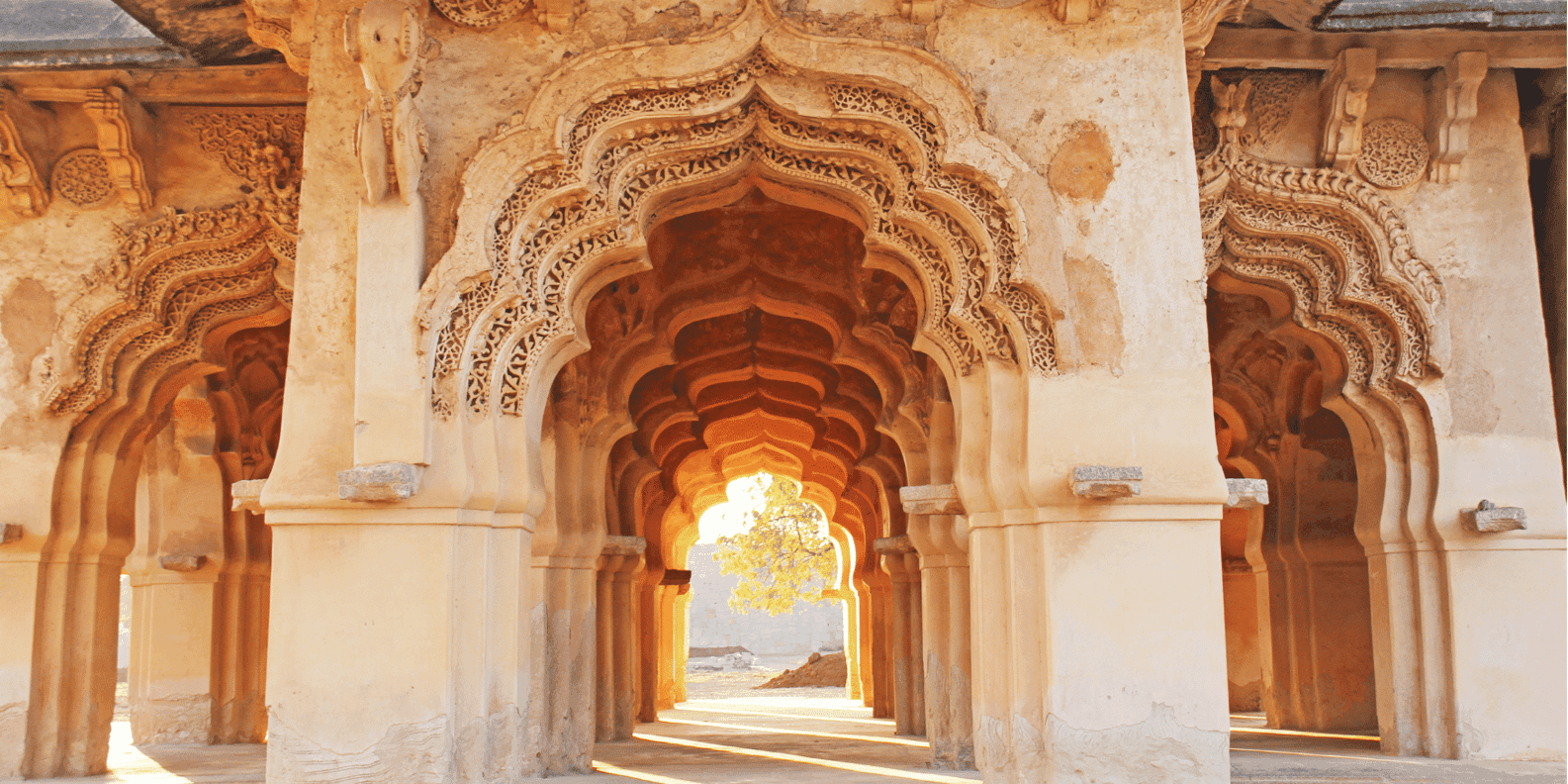
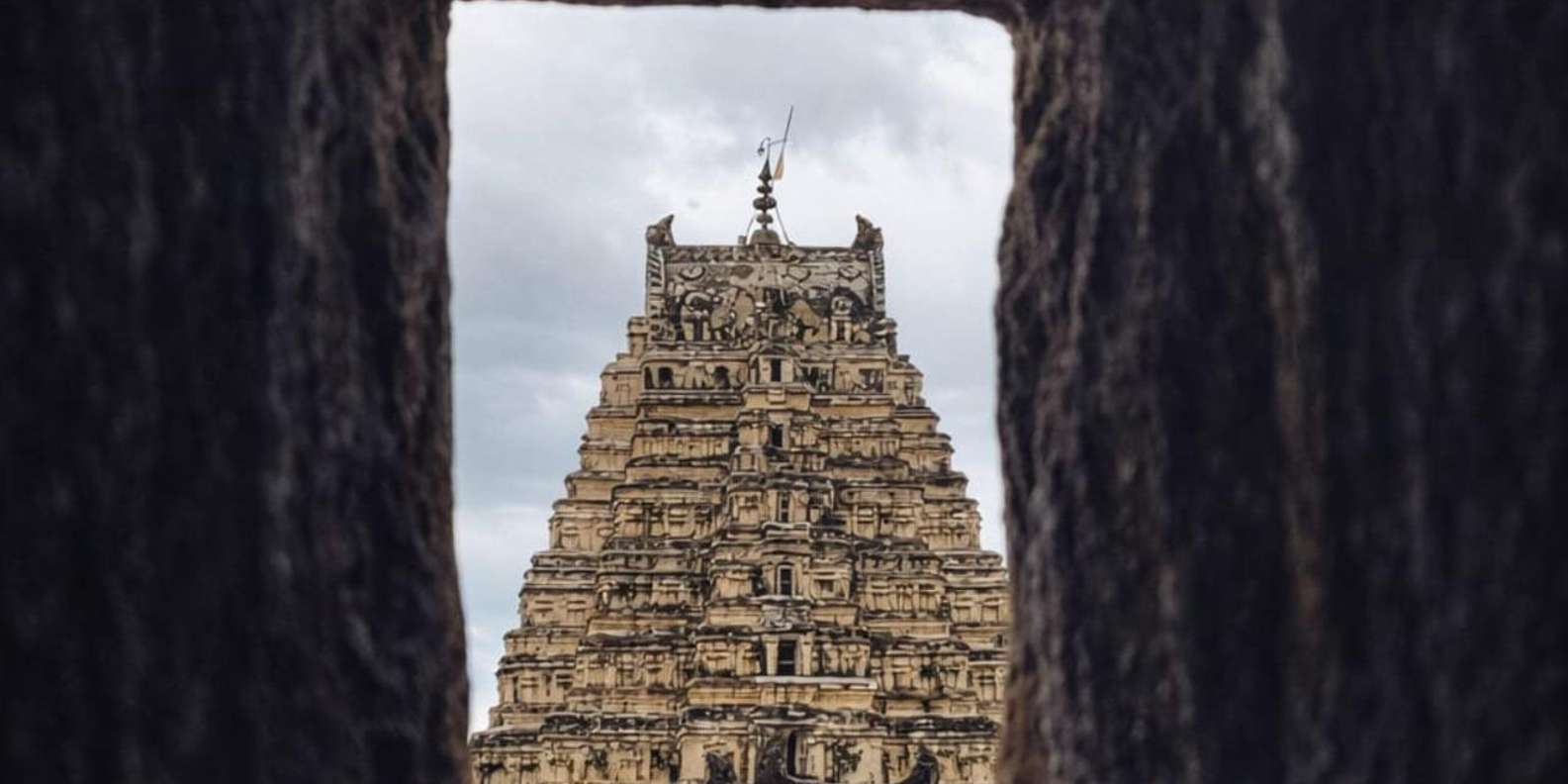
Hampi's surreal landscape of giant boulders and ancient temples is like nothing else on earth. Explore the intricate carvings of Virupaksha Temple, watch the sunset at Hemakuta Hill, and walk among the ruins of a once-great empire.
Find your experience11 experiences to explore
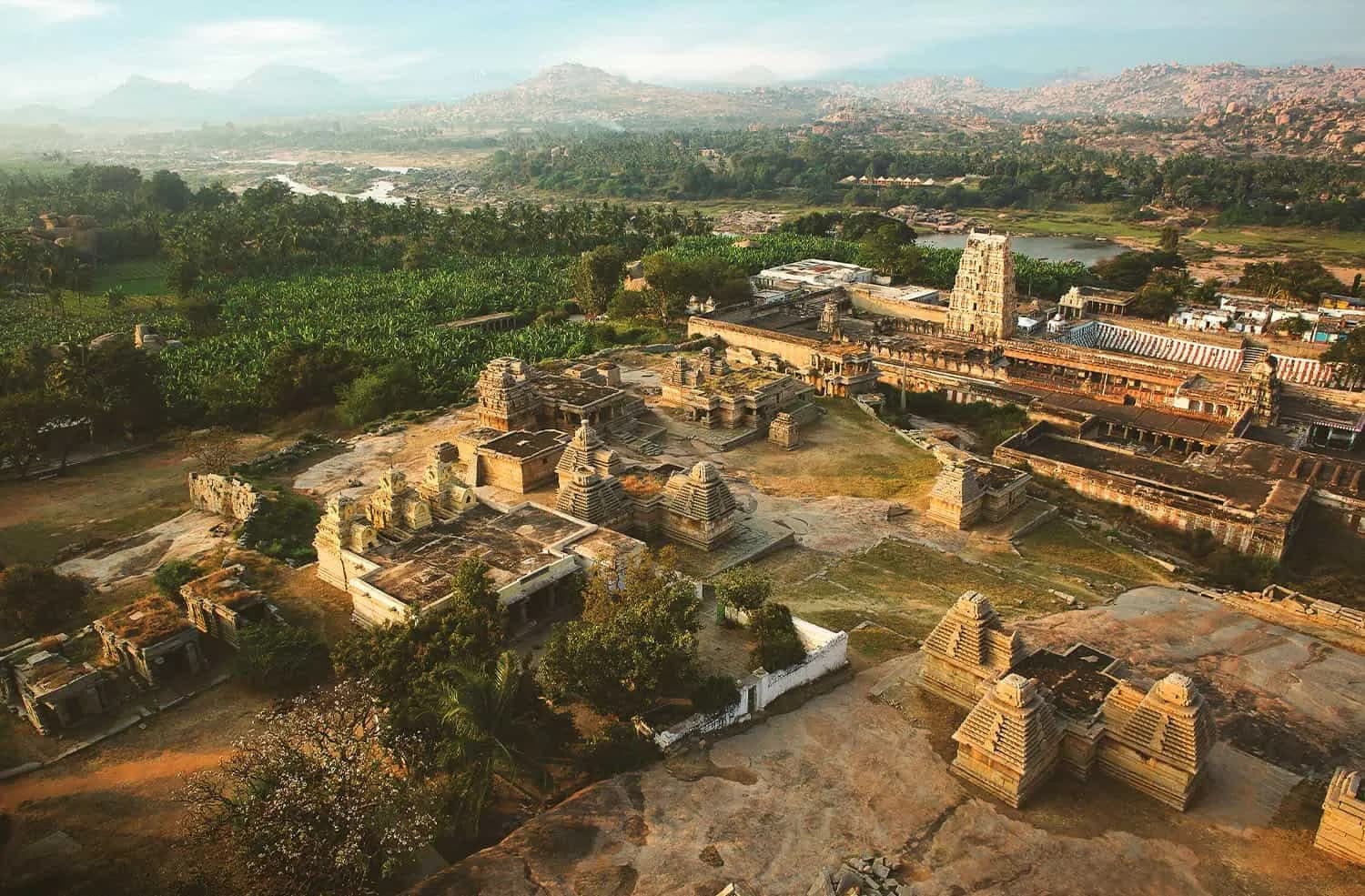 Ancient ruins amidst giant boulders
Start here
Our picks for Hampi
Different ways to visit. Choose the one that fits your day.

Guided experience
Highlights of Hampi Guided Halfday Tour by Car from Hosapete
4 hours
Starts in hampi
Admission costs extra
From ₹10,586
Guided experience
Walk through the time in Hampi (2 Hours Guided Walking Tour)
2 hours
Starts in Hampi
Admission costs extra
From ₹3,970
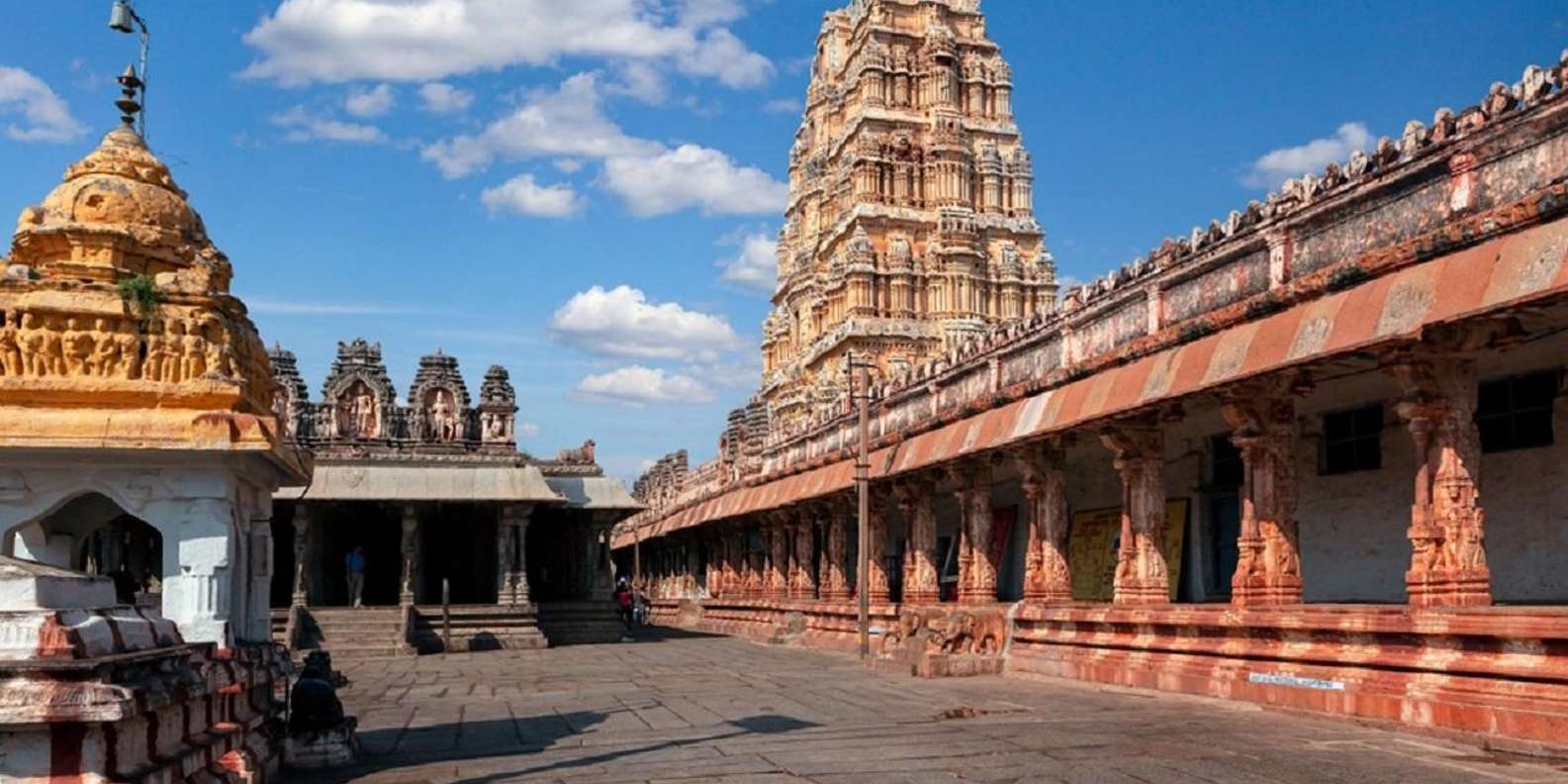
Guided experience
Experience Hampi's Rich History: Guided Full Day Tour by Car
8 hours
Starts in Hampi
Admission included
From ₹8,999
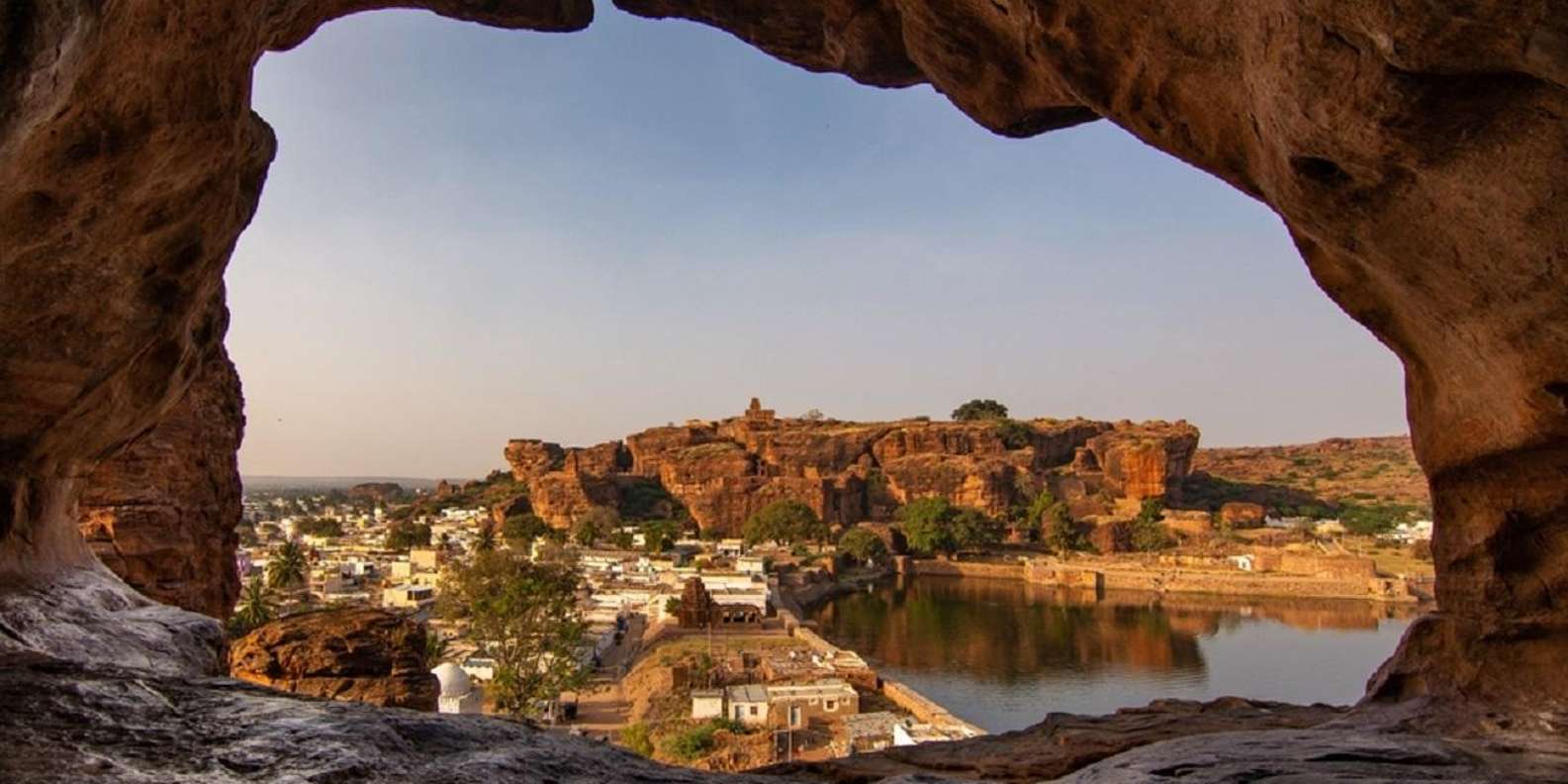
Guided experience
Exploring Badami Wonders: Guided Day Trip with Hotel Pickup
10 hours
Starts in hampi
Admission included
From ₹9,999
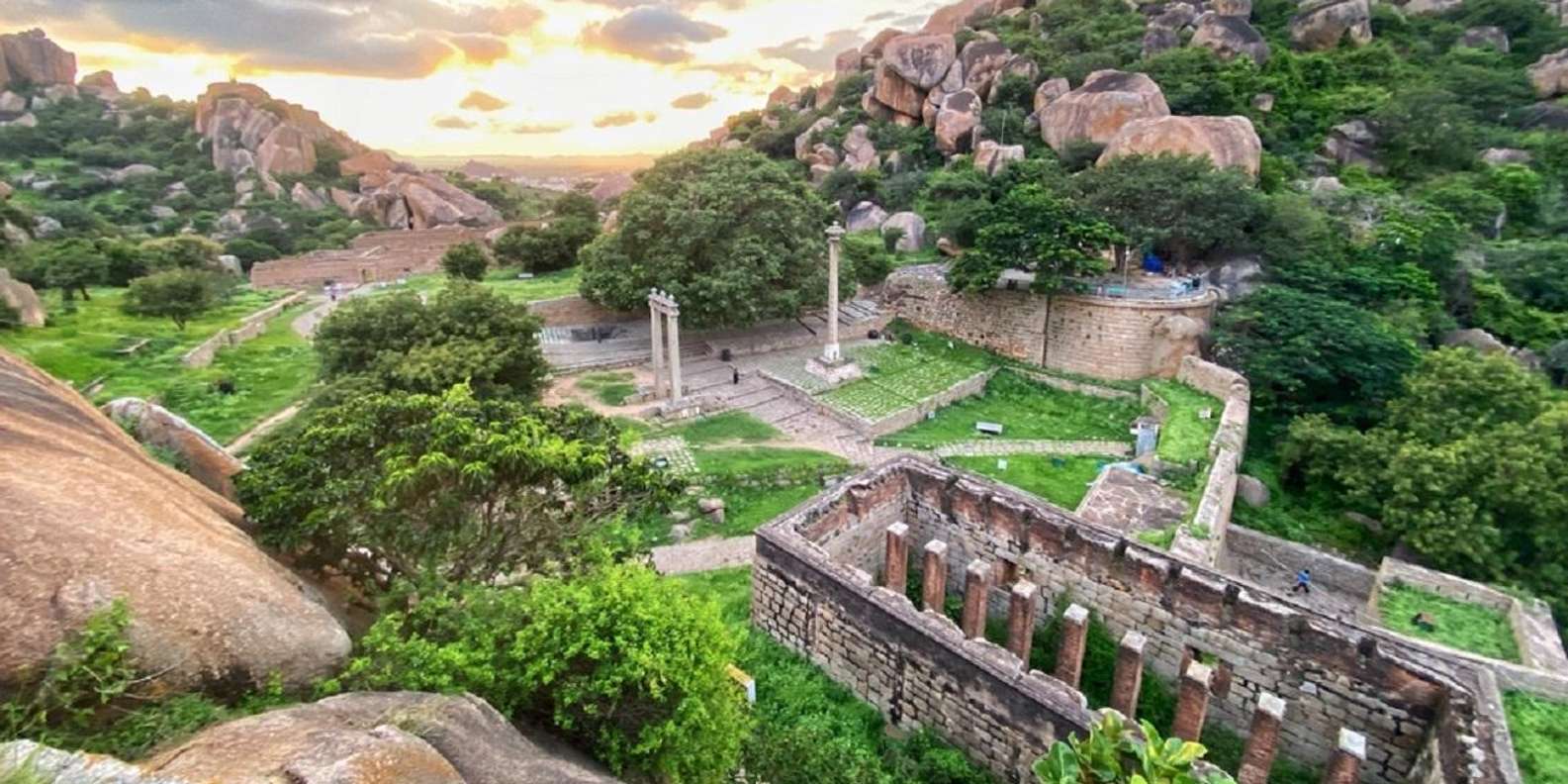
Guided experience
Hampi: Chitradurga Heritage Trails Guided Day Trip by Car
8 hours
Starts in Hampi
Admission included
From ₹7,999
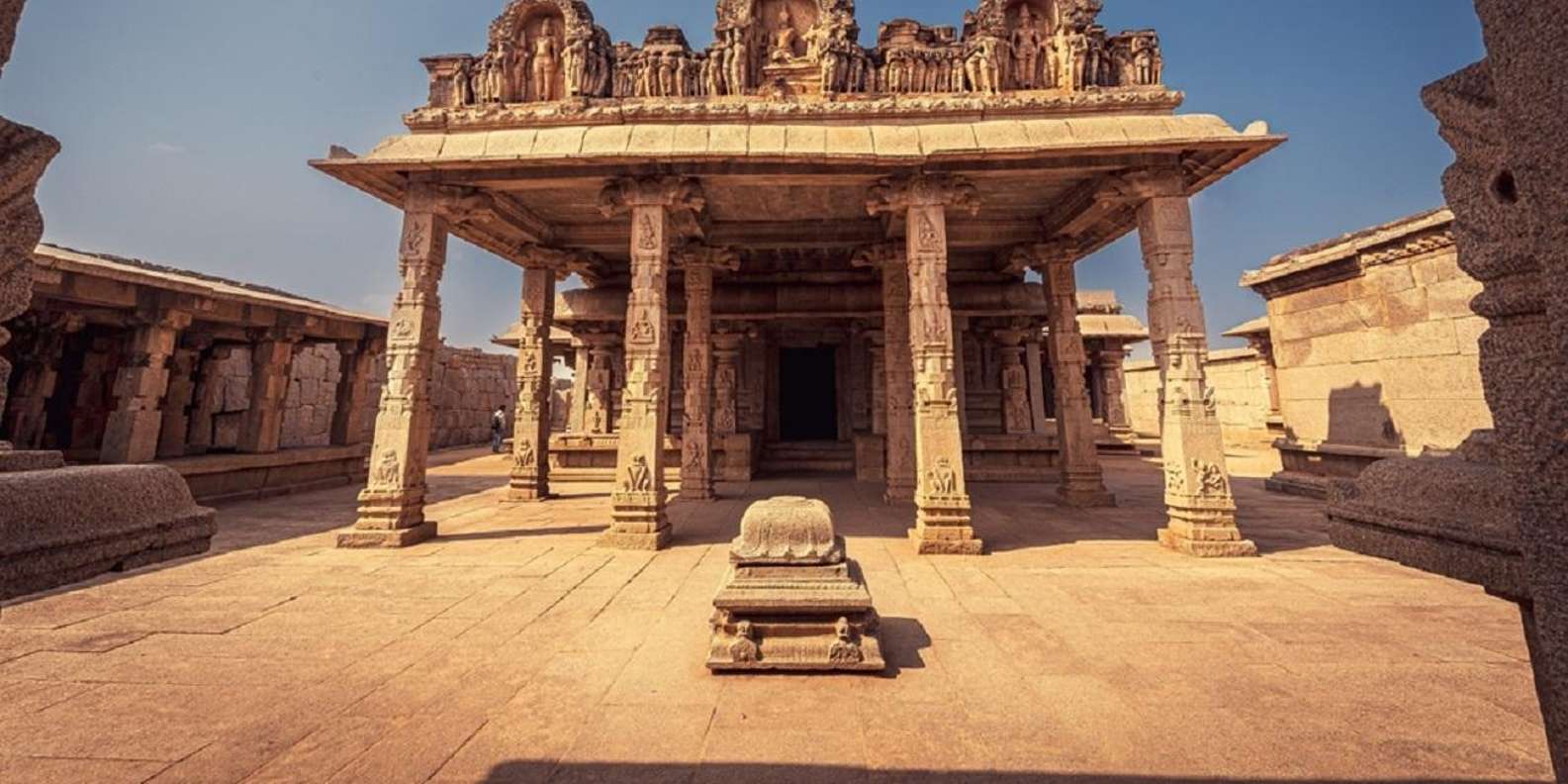
Guided experience
Hampi Hidden Stories: Guided Walk to Step Back into History
2.5 hours
Starts in hampi
Check package inclusions
From ₹1,999
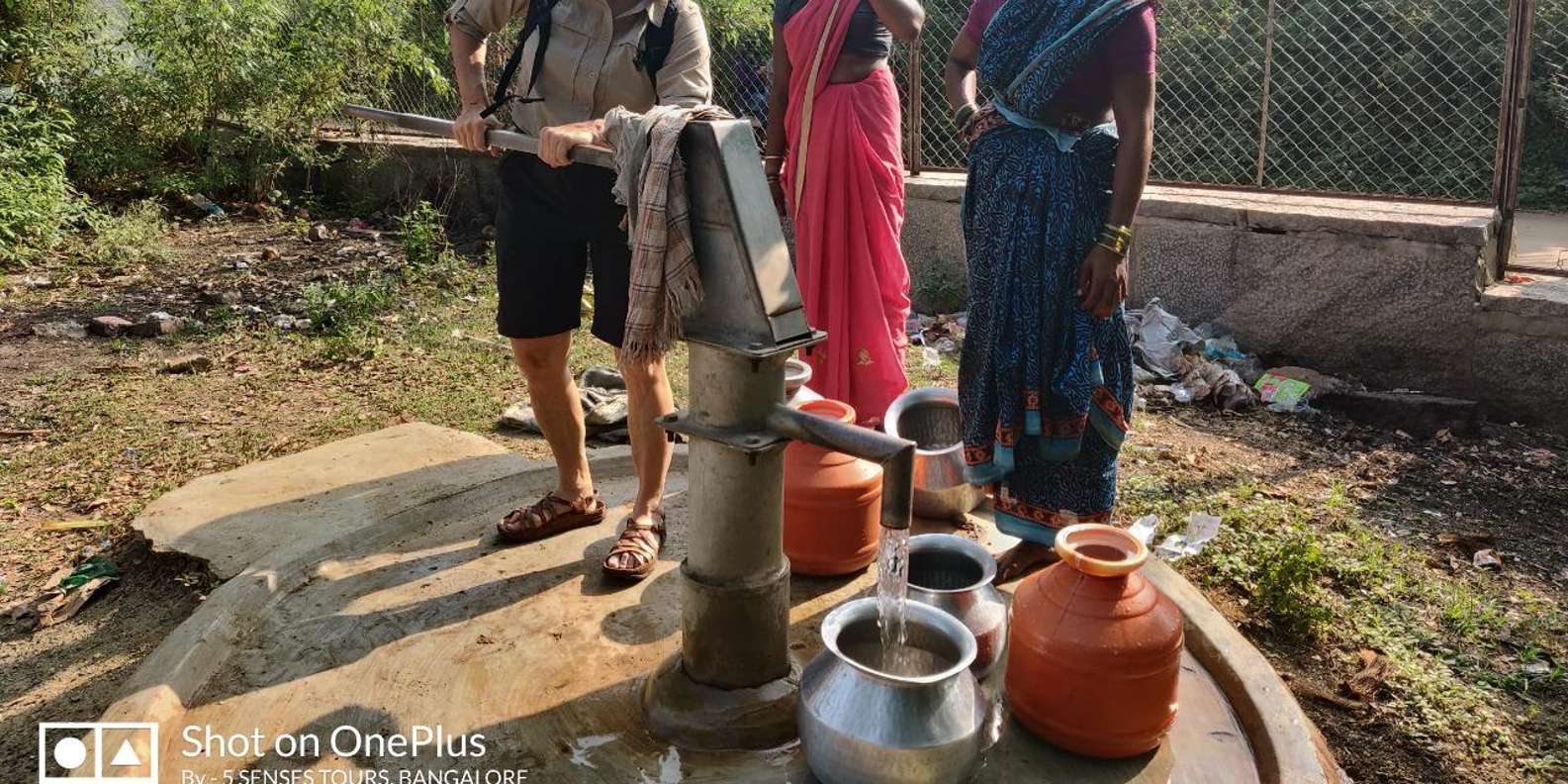
Guided experience
Hampi- Full day guided tour in private car with lunch
8 hours
Starts in hampi
Check package inclusions
From ₹10,500
Guided experience
From Goa: Hampi 2-Day Sightseeing Tour
2 days
Starts in Hampi
Admission costs extra
From ₹35,647
A different side of Hampi
Make room for something beyond the best-known sights.
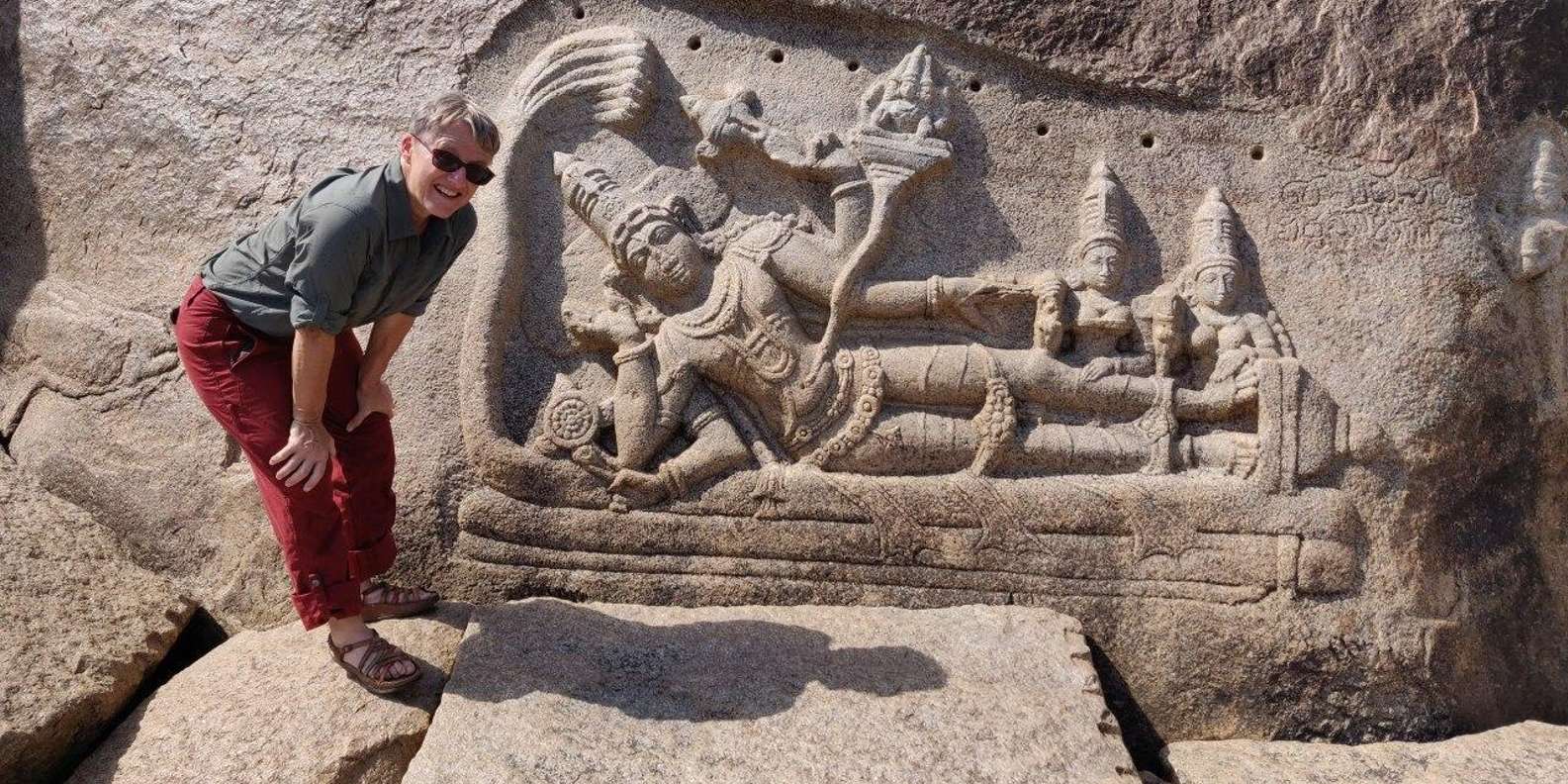
Day trip from Hampi to Badami, Aihole and Pattadakal
11.5 hours
Starts in Badami
Check package inclusions
From ₹15,250
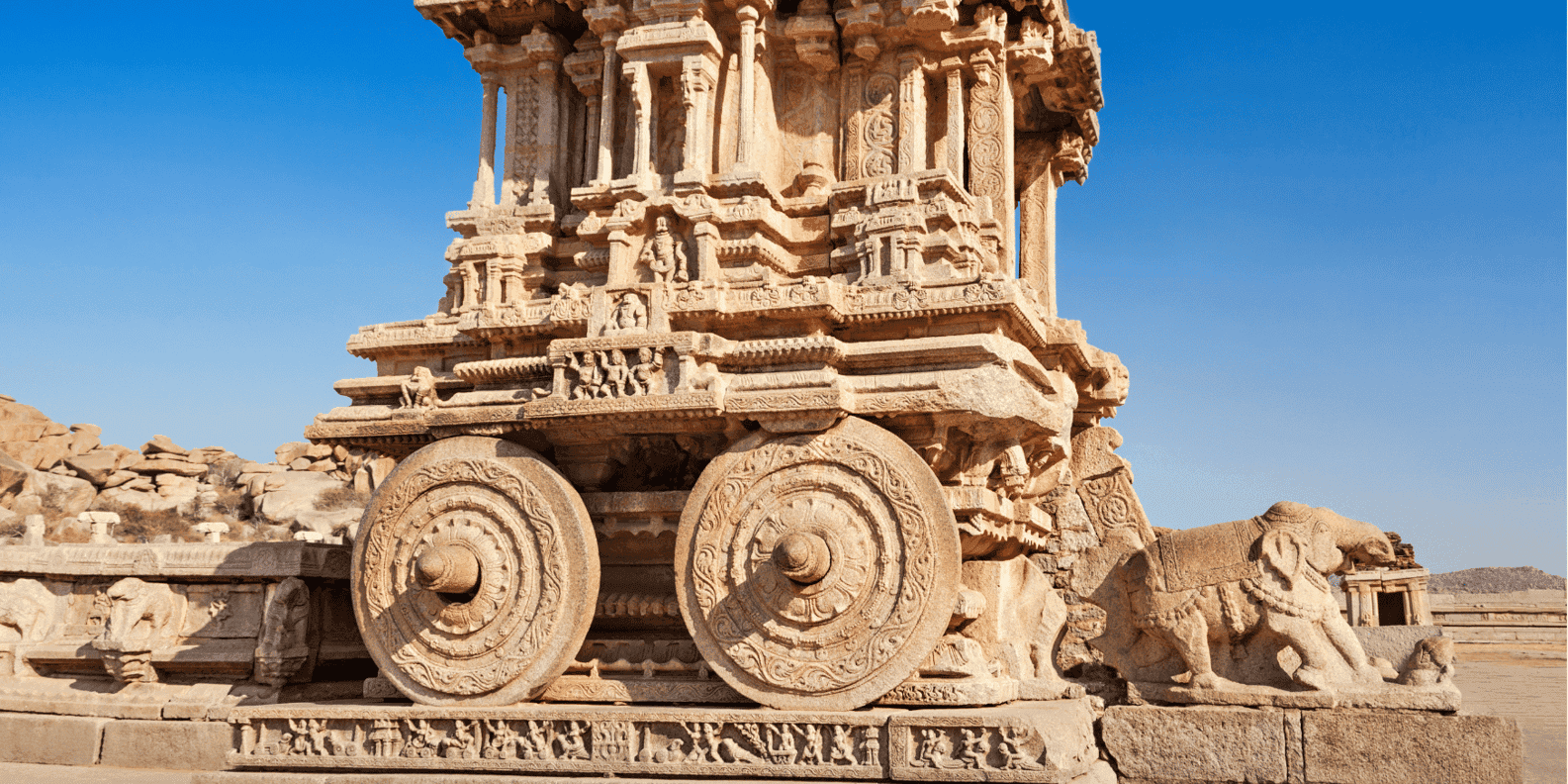
From Hosapete: Hampi Highlights Full-Day Tour by Car
8 hours
Starts in hampi
Admission costs extra
From ₹14,777
Hampi Royale - One-Day Luxury Sightseeing in AC Car
8 hours
Starts in Hampi
Admission included
From ₹9,000
Make it your trip
All Hampi experiences
Have something in mind? Explore the full collection and find your fit.
A little planning goes a long way
Plan your visit to Hampi
When to visit
October to February, for pleasant weather and clear skies
Time to explore
2-4 days
Known for
Virupaksha Temple · Royal Enclosure · Hemakuta Hill · Kassikishevara Temple · Hampi Bazaar
Languages
Kannada · English · Hindi
Nearest airport
Bellary Airport · BLR
Nearest train station
Hospet Railway Station · HOS
Daily budget
INR 1000–4500
More about Hampi
Founded in the 14th century by King Harihara, Hampi was the capital of the Vijayanagara Empire, one of the greatest empires in Indian history. Today, its sprawling archaeological site is a testament to the region's rich cultural heritage.
The landscape itself is a character in Hampi's story — giant boulders scattered across the plains, some perched atop ancient temples, others forming natural sculptures. As you wander through the ruins, the silence is punctuated by the calls of birds and the rustle of leaves.
Hampi's unique blend of natural beauty and historical significance makes it a place that will leave you awestruck and contemplative.
Your questions, answered
What is the best time to visit Hampi?
The best time to visit Hampi is from October to February when the weather is pleasant with temperatures ranging from 20C to 25C. You should avoid visiting during the summer months from March to May as it can get extremely hot.
Is Hampi safe for tourists?
Hampi is generally a safe destination for tourists. However, you should take necessary precautions like not carrying large amounts of cash and being mindful of your belongings in crowded areas.
How do I get to Hampi from Bangalore?
The nearest airport to Hampi is the Bellary Airport which is about 60 km away. You can take a taxi or bus from the airport to reach Hampi, or take a train to Hospet and then a bus or auto to Hampi.
What is the average cost of a trip to Hampi?
The average cost of a trip to Hampi can range from ₹2,000 to ₹5,000 per person for a 2-day trip, depending on your accommodation and food choices. You can save money by staying in budget-friendly guesthouses and eating at local restaurants.
What are the top things to do in Hampi?
Some of the top things to do in Hampi include visiting the Virupaksha Temple, exploring the Hampi Bazaar, and taking a coracle ride on the Tungabhadra River. You should also consider taking a guided tour to learn more about the history and culture of Hampi.
What kind of food is available in Hampi?
Hampi offers a range of South Indian and Karnataka cuisine, including dosas, idlis, and vadas. You can also try some of the local street food like masala dosas and akki roti.
Where can I stay in Hampi?
Hampi has a range of accommodation options, from budget-friendly guesthouses to luxury resorts. You can choose to stay in Hampi or nearby Hospet, depending on your budget and preferences.
Is Hampi a 1-day trip?
While some tourists try to visit Hampi in a day, this can be quite rushed. You should plan to spend at least 2-3 days in Hampi to explore its temples, ruins, and culture properly.
Where will you go next?
Keep exploring, one destination at a time.